-
Travel Tips
Rabelo Boats are one of the most iconic sights on the Porto and Vila Nova de Gaia riverfronts, but their story began long before cruises, cameras, and visitors from around the world. For centuries, the Douro river acted like a busy road, linking the wine-growing interior of northern Portugal to the coast. At the heart of that river traffic was a very particular boat: the Rabelo.
Today, Rabelo Boats are celebrated as cultural symbols. Originally, they were tools of hard work, practical engineering, and deep respect for a river that could be powerful, unpredictable, and unforgiving.
Rabelo Boats were created for a specific purpose: transporting barrels of Port wine from the Alto Douro, where the wine was produced, downriver to Vila Nova de Gaia, where it was traditionally stored and aged in the lodges.
At the time, the Douro was the most efficient route for moving large quantities. Roads were slow and unreliable, and rail links did not yet offer a practical alternative. The Rabelo emerged as a direct response to those logistical realities and the Douro’s physical challenges, essentially becoming the river’s “lorry” of its era.
Unlike sea-going vessels, Rabelos Boats were adapted to an exacting river environment. They are widely described as having a flatter bottom and no deep keel, helping them navigate shallower stretches, while control relied on a large steering oar at the stern. Propulsion combined sail power with the crew’s skill and experience.
Before major 20th-century river engineering, the Douro could be dangerous: rocks, rapids, narrow passages and shifting conditions turned each journey into a test of judgement and nerve. Every safe arrival in Gaia represented a small victory over the river.
From the late 19th century onwards, the Rabelo’s commercial role began to fade. A widely cited turning point is the completion of the Douro railway line in 1887, which offered a faster, more predictable way to move goods through the region.
Later, improved roads and the rise of road haulage made river transport increasingly unnecessary. By the 1960s and early 1970s, commercial barrel transport by boat had largely ended, with some accounts pointing to 1964 as a symbolic moment when trains and lorries effectively replaced the Rabelo’s working role.
But it did not disappear.
When Rabelo Boats stopped carrying wine, they became symbols, remaining present in the shared memory of Porto and Gaia as an emblem of the Port wine trade, the river, and a history built across two riverbanks. Photographs, museum archives, and illustrations preserve the image, while living traditions keep the story active.
One of the most emblematic traditions is the Rabelo Boats Regatta, traditionally held on June 24th (São João Day) on the Douro in Porto, celebrating seamanship and Port wine heritage.
The Rabelo Boats seen today along the urban Douro are commonly presented as faithful replicas, based on traditional design, but adapted to the present. Their purpose has changed: they no longer carry barrels; they carry people. They no longer race against danger and time; they offer safety, comfort, and stories.
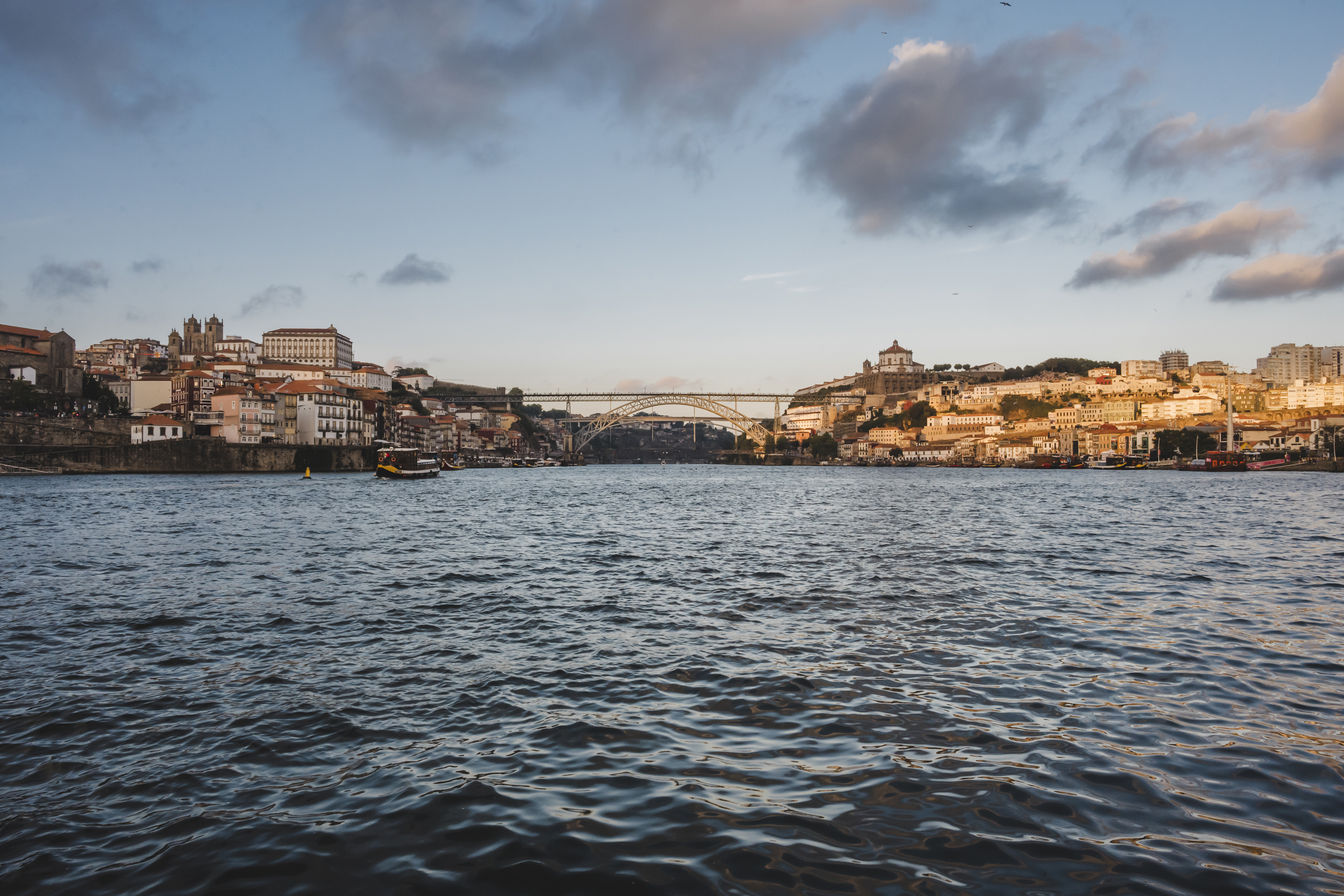
On the River Sightseeing Bridges cruises, these boats glide between Porto and Gaia and turn the river into a moving lesson in the city’s layered history, Ribeira’s quay, the old riverside houses, Gaia’s wine lodges, and a sequence of bridges that each reflect different chapters of engineering and urban development. It’s a striking transformation: the same river that once carried wine to the world now carries visitors who want to understand how Porto and Gaia grew, shaped by the Douro, and permanently connected by its flow.
Please download the app
(+351) 220 431 005
*Calling the national fixed network
(+351) 962 072 193
*Call to the national mobile network